The grandmother did not want to come.
This is, according to every charter broker we have spoken to, the most common starting point for a multigenerational voyage. Someone - usually a parent in the middle generation - has the idea. The children are excited. The other parent is cautiously optimistic. And at least one grandparent is quietly, politely, firmly resistant. Too expensive. Too complicated. Too much time in a confined space with people she loves but whose noise levels she has forgotten. What if she gets seasick? What if the children fall overboard? What if there is nothing for her to do?
By day three, the grandmother is the last person off the swim platform in the evening, the first to suggest another night at anchor, and the one who cries at the farewell dinner.
This pattern repeats so consistently that charter crews have a name for it. They call it the conversion. And it happens because a yacht - uniquely among holiday formats - solves the central problem of multigenerational travel: how to be together without being on top of each other, how to share experiences without requiring everyone to want the same experience, and how to create the conditions for connection without manufacturing them.
Why a Yacht Works When Hotels Do Not
The mathematics of multigenerational holidays on land are punishing. You need enough bedrooms for privacy, enough bathrooms for dignity, enough communal space for meals, enough variety for a seven-year-old and a seventy-year-old, and enough distance between the generations that nobody feels surveilled. In practice, this means either a very expensive villa (with the associated logistics of cooking, cleaning and entertainment) or a resort where everyone scatters after breakfast and reconvenes, slightly sunburned, for dinner.
A yacht collapses this equation. The bedrooms are ensuite, soundproofed and private. The communal spaces - the saloon, the aft deck, the flybridge, the swim platform - are close enough to maintain connection but varied enough to allow separation. The crew handles every logistical detail: meals, navigation, itinerary adjustments, water toys, transfers. And the destination changes every day, which means nobody gets bored and nobody needs to organise a day trip, because the day trip is built into the vessel.
The result is something that sounds paradoxical but is, in practice, profoundly simple: a holiday where three generations can be in each other’s company for a week without anyone needing a break from each other. The yacht provides just enough structure and just enough freedom to let families be families, which is to say complicated, affectionate, occasionally loud and ultimately inseparable.
Choosing the Right Yacht
Not every yacht suits a multigenerational charter, and the differences matter.
Stability comes first. If anyone in the group is anxious about seasickness - and this is usually a grandparent concern - a motor yacht or a catamaran is a better choice than a sailing yacht. Catamarans, with their twin hulls, offer the most stability in open water and the least heel under way, making them particularly comfortable for older guests and young children. Motor yachts provide more interior volume and more deck space, which matters when your group ranges from toddlers to octogenarians.
Size matters, but not in the way most people assume. The critical factor is not overall length but the number and arrangement of cabins. For a three-generation group of eight to ten people, you want a yacht with at least four ensuite cabins, ideally on the same deck for accessibility but with enough separation that a crying toddler at midnight does not wake a grandparent in the adjacent cabin. Some yachts offer a master suite on the main deck with additional cabins below - this arrangement works well when grandparents need easier access without stairs.
Accessibility is the detail that separates a good multigenerational charter from a frustrating one. Wide passageways matter. Handrails matter. A swim platform that is easy to access from the water matters enormously, because the swim platform is where three generations converge: the children jumping off it, the parents swimming from it, the grandparents sitting on it with their feet in the water, watching. If the swim platform requires climbing a steep ladder or navigating narrow steps, one generation is effectively excluded from the space that brings the others together.
Finally, look at the shade. Grandparents need shade. Young children need shade. A yacht with an exposed flybridge and a shadeless aft deck is a yacht where half your group retreats indoors by eleven in the morning. Biminis, awnings and covered dining areas are not luxuries on a multigenerational charter; they are infrastructure.
The Itinerary Question
The temptation with a multigenerational charter is to over-programme it. Three generations means three sets of preferences, which means (the thinking goes) a packed schedule that accommodates everyone. In practice, the opposite approach works better.
Plan less. Move slowly. Anchor early. The single greatest asset of a yacht charter with multiple generations is unstructured time in beautiful settings - mornings where nobody has anywhere to be, afternoons where the only decision is whether to swim before or after lunch, evenings where dinner happens when it happens and the conversation drifts wherever it drifts.
That said, a few structural principles help.
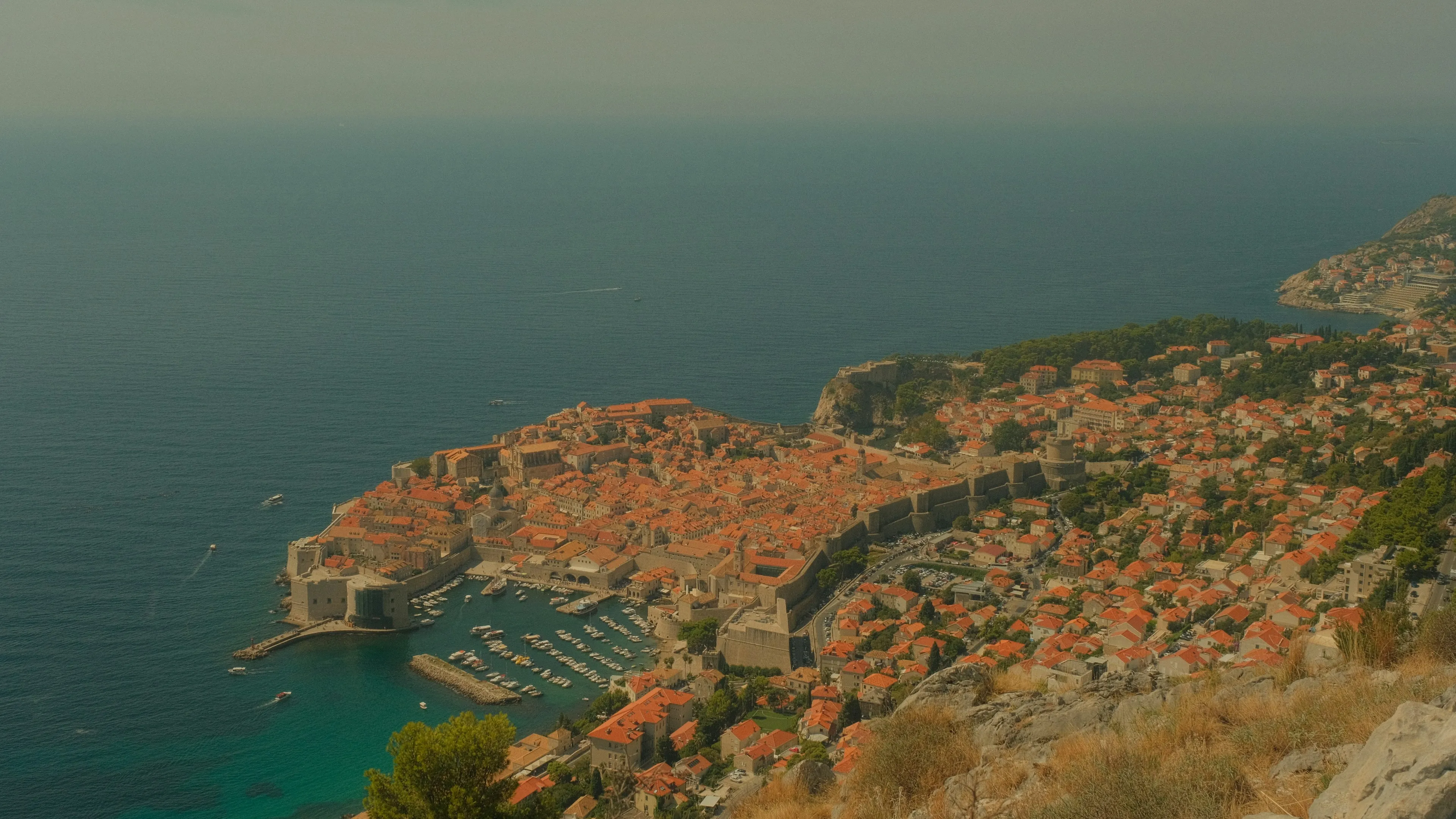
Short passages work better than long ones. An hour of motoring between anchorages is pleasant. Three hours is too long for young children and potentially uncomfortable for elderly guests. Choose itineraries with closely spaced anchorages - the Croatian islands, the Greek Cyclades, the British Virgin Islands - where you are never more than an hour from the next beautiful stop.
One organised excursion per day is enough. This might be a village walk, a snorkelling stop, a visit to a local market or a gentle hike to a viewpoint. The rest of the day should be optional and self-directed. The seven-year-old can use the paddleboard. The teenager can read in their cabin. The grandparents can play cards in the saloon. The parents can - for perhaps the first time in years - sit quietly with a glass of wine and nobody asking them for anything.
Build in at least one full day at a single anchorage. No moving, no agenda, no plan. This is the day the conversion happens. This is the day the grandmother, who has spent two days politely observing from the aft deck, decides to get in the water. This is the day the grandfather teaches his grandson to play backgammon. This is the day the family discovers what it is like to be together without the mediation of a schedule.
Food and the Generational Table
The dinner table on a multigenerational charter is where the magic happens, and it is also where the logistics are most complex. Three generations means, at minimum, three different relationships with food: the children who eat nothing green, the parents who eat everything, and the grandparents who have specific dietary needs that they may or may not have communicated in advance.
A good yacht chef handles this without visible effort. The secret, according to the chefs we have spoken to, is not separate menus but a shared table with enough variety that everyone finds something they love. Mediterranean cuisine naturally lends itself to this approach: grilled fish, fresh salads, bread, olive oil, simple pastas, fruit - these are foods that cross generational lines without requiring anyone to compromise.
The more important function of the dinner table, though, is social rather than culinary. A yacht dinner is one of the few contexts in modern life where three generations sit together, without screens, without somewhere else to be, and talk. The children hear stories they have never heard. The grandparents see their grandchildren in a context that is neither rushed nor performative. The parents, freed from the logistical burden of hosting, can actually participate in the conversation rather than managing it.
Several charter captains have told us that the dinner table on multigenerational voyages produces more tears than any other moment on the charter - not tears of sadness, but the particular tears that come when families realise how rarely they sit together like this and how much they have been missing.
What the Crew Needs to Know
Brief your charter broker thoroughly. The more they know about your family’s composition, the better they can match you with the right yacht and crew. Specific things to communicate:
Ages and mobility levels. A crew that knows they are hosting a four-year-old and an eighty-year-old will prepare differently - safety nets on deck, a lower tender boarding point, an earlier dinner service for the children, a quieter anchorage for the first night.
Dietary requirements and preferences. Be specific. “Grandad is diabetic” is more useful than “he does not eat much sugar.” “The six-year-old will only eat pasta and chicken” is not a problem for a good chef - it is information that helps them plan.
Sleep patterns. Young children go to bed early. Teenagers go to bed late. Grandparents wake early. A crew that understands these rhythms can stagger meals, manage noise levels and suggest anchorages where the nightlife (such as it is) will not drift across the water at midnight.
What not to communicate: expectations of perfection. The beauty of a multigenerational charter is not that everything goes according to plan, but that the yacht provides a generous, flexible, forgiving space in which three generations can improvise a week together. The best moments will be unplanned. The best conversations will be accidental. And the grandmother who did not want to come will be, in the end, the one who does not want to leave.
When to Go
Timing a multigenerational charter often comes down to school holidays, but within those constraints, shoulder seasons offer advantages. Early June and September in the Mediterranean mean fewer crowds, calmer seas, gentler temperatures (critical for older guests who find peak summer heat challenging) and lower charter rates. The Caribbean’s best multigenerational window is November through April, when the hurricane season has passed and the trade winds are steady enough for comfortable sailing.
Allow at least a day either side of the charter for travel. Multigenerational groups move more slowly through airports, and arriving stressed or exhausted undermines the first day aboard. Some families book a hotel night at the embarkation port to decompress before boarding, which is especially wise if grandparents are travelling from a different time zone.
The Thing Nobody Tells You
The logistics of a multigenerational charter are straightforward once you understand the principles. The yacht handles the complexity. The crew handles the details. What nobody tells you in advance is the emotional weight of the experience - the particular intensity of watching your children and your parents occupy the same space, doing the same things, in a setting where time seems to slow down enough for you to actually see it.
A grandmother watching her granddaughter swim for the first time in open water. A grandfather pointing out a constellation that his own father taught him. Three generations eating breakfast together on an aft deck, in silence, watching the same sunrise over the same sea.
These are not luxury experiences. They are human ones. The yacht simply creates the conditions in which they become possible.
Halcyon Voyage specialises in family wellness charters that bring generations together in comfort and privacy. Our voyage designers will match your family’s size, ages and preferences to the right yacht - and the right coastline. Begin with the Voyage Designer or get in touch for a conversation about what is possible.